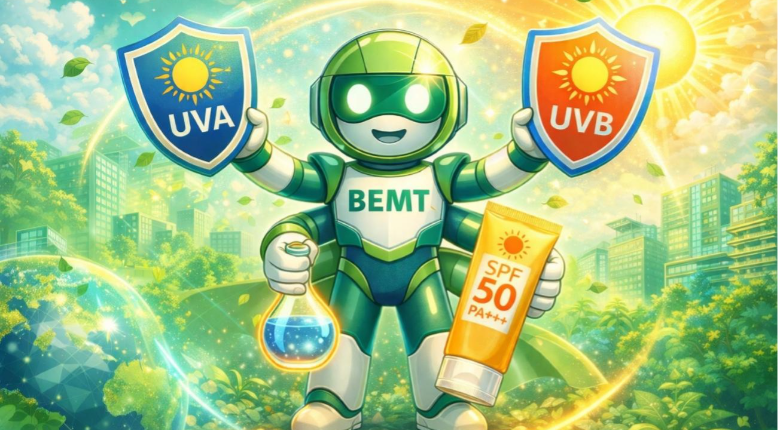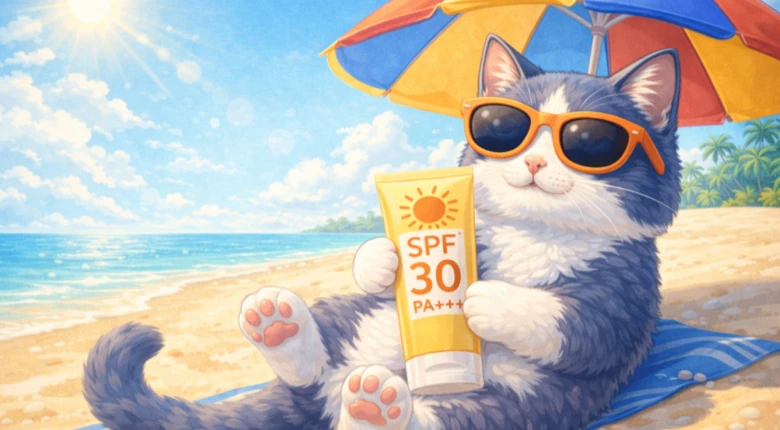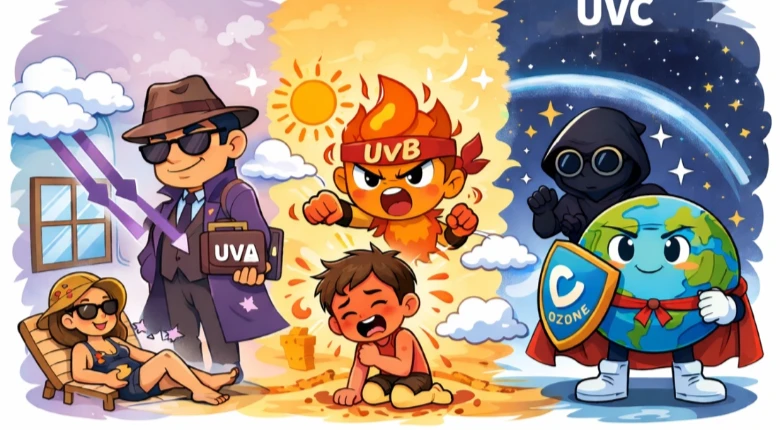

In our last article, we introduced the “three brothers” of ultraviolet radiation—UVA, UVB, and UVC. But when you pick up a sunscreen, you usually only see two indicators on the label: SPF and PA. What do they really mean? And have you actually chosen the right sunscreen? Don’t let those numbers and plus signs confuse you anymore—today, we’re breaking it all down for you in a clear and simple way.
SPF: The “Number Code” Against Sunburn
SPF stands for Sun Protection Factor. It mainly protects against UVB rays—the primary cause of sunburn. Simply put, the number after SPF indicates how much longer your skin can theoretically stay in the sun before turning red, compared with unprotected skin.
Because everyone’s skin reacts differently, the actual duration varies from person to person.
For example, if your skin starts to redden after 15 minutes without protection, applying SPF 30 sunscreen could theoretically extend that time to 15 minutes × 30 = 450 minutes.
PA: The “Plus-Sign Game” Against Skin Aging
PA measures protection against UVA rays—the main culprit behind skin aging. The more “+” signs, the stronger the protection.
PA+: About 2–4 hours of protection
PA++: About 4–8 hours of protection
PA+++: Very strong protection, 8 hours or more
Practical Sunscreen Tips
1. When choosing a sunscreen, prioritize products labeled with broad-spectrum protection.
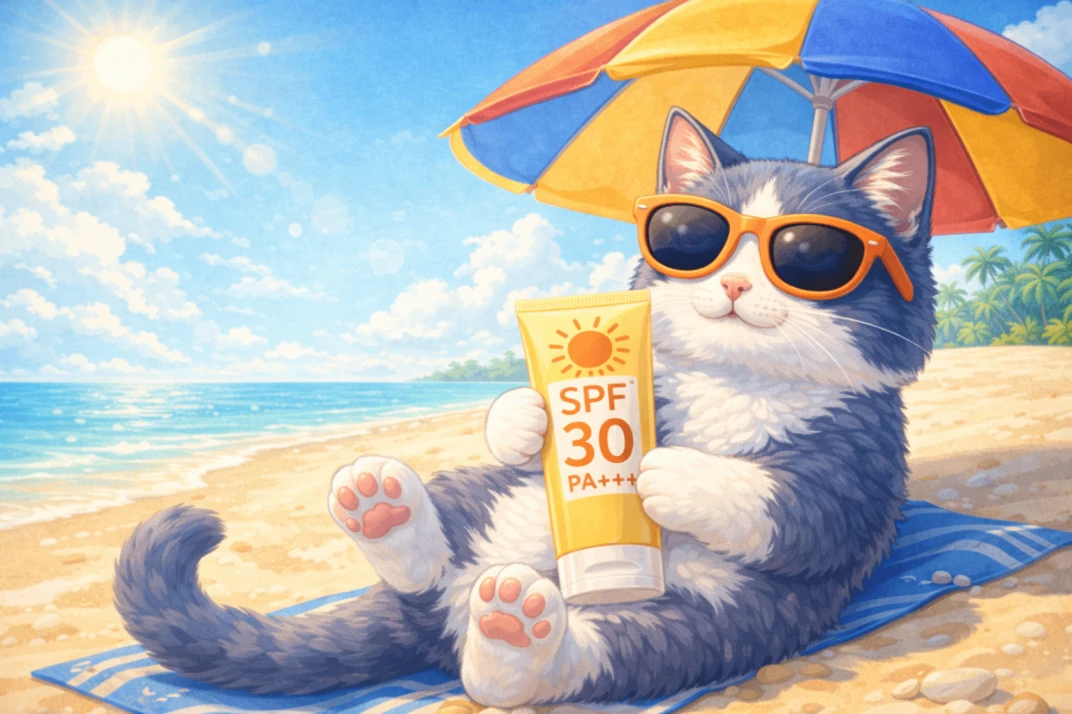
2. For daily commuting, SPF 30 and PA+++ are usually sufficient to handle most photoaging concerns.
3. For beach vacations or intense sun exposure, choose SPF 50+ and PA++++ for enhanced protection.
4. Use enough product. SPF and PA ratings are tested at an application amount of 2 mg/cm². Only with sufficient application can you achieve the level of protection stated on the label. In practice, this usually means applying about a coin-sized amount for the face.
5. During outdoor activities, remember to reapply every 2 hours.
Sunscreen isn’t just about staying fair—it’s essential for preventing skin aging and reducing the risk of skin cancer. Now that you understand the SPF and PA values on the front of the bottle, what do all those sunscreen ingredients listed on the back actually mean? Stay tuned for the next article, where we’ll uncover the science behind them.
About Us
Fujian Disheng Technology Co., Ltd. specializes in the R&D and production of UV absorbers, hindered amine light stabilizers (HALS), and cosmetics-grade UV filters. The products are widely used in polymers and daily cosmetics, effectively mitigating UV damage to materials and human skin while enhancing weather resistance. and are widely used across plastics, coatings, textiles, elastomers, films, personal care, and other sectors. Disheng Technology serves customers across China and in global markets including Europe, North America, East Asia, the Middle East, and Southeast Asia. The company has successfully passed certifications for ISO management systems covering quality, environment, occupational health and safety, and energy, and is recognized as a National High-Tech Enterprise and a National SRDI Little Giant Enterprise.