
Adhesive system failures often originate at the edges. Ultraviolet-induced photo-oxidative degradation damages resin structures and degrades interfacial properties, typically manifesting as yellowing, embrittlement, reduced bond strength, increased peel strength, and seal failure. Simultaneously, certain formulations may exhibit surface blooming, haze formation, or odor changes under combined light and heat exposure, thereby compromising appearance quality, assembly yield, and long-term reliability. Therefore, incorporating light stabilizers into specialized applications—such as adhesives, sealants, potting compounds, and adhesive films/tapes—while optimizing system compatibility and migration control, represents a critical technical approach to ensuring sustained performance of adhesive products over extended service periods.
In adhesive applications, structural bonding and lamination processes prioritize maintaining initial tack, adhesion retention, and peel strength over time. Transparent or light-colored systems are particularly prone to yellowing and haze formation, compromising visual aesthetics and light transmission requirements. Implementing light stabilization solutions that mitigate UV radiation damage to resins and tackifying systems while suppressing the propagation of photo-oxidative chain reactions effectively slows color drift and mechanical property degradation. This reduces the risk of interfacial failure due to aging. For bonded structures requiring long-term outdoor exposure or sustained light exposure, compounding light stabilizers further enhances the controllability of strength decay, making bonding reliability more consistent and verifiable.
Sealants typically operate at joints and boundaries, enduring prolonged displacement, stress, and environmental erosion, demanding higher resilience in elasticity retention, crack resistance, and interfacial bonding stability. UV radiation accelerates surface hardening and cracking. Once cracks form, they provide pathways for moisture and contaminants to infiltrate, further accelerating aging and failure. By configuring a light stabilizer system that balances weather resistance with long-term elasticity retention, surface degradation can be delayed and crack propagation inhibited. This helps sealants maintain stable adhesion at the substrate interface, thereby reducing leakage risks and extending maintenance intervals.
Potting adhesive materials prioritize long-term reliability and consistent performance, particularly in electronics and outdoor equipment. These materials must maintain dielectric properties, mechanical strength, and interface integrity under exposure to light, temperature rise, and humid-heat conditions. Employing heat-resistant, low-volatility, and highly compatible light stabilization solutions helps minimize performance fluctuations during prolonged use, reduces surface degradation and micro-defects, and enhances the encapsulation system's stability and safety margin throughout its entire lifecycle.
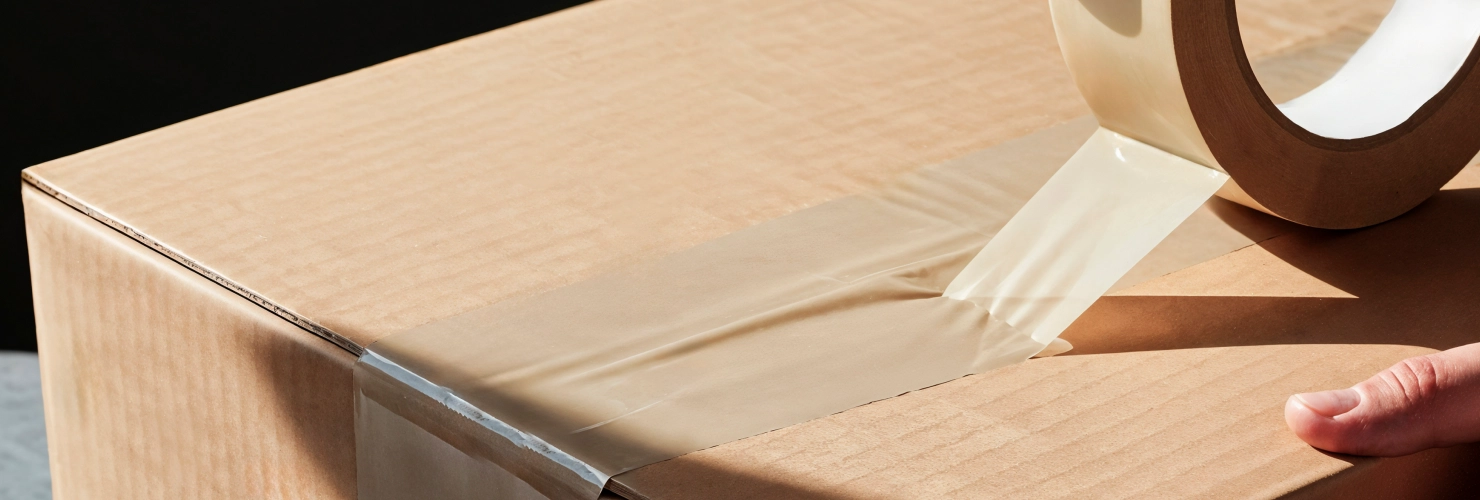
Adhesive films and tapes are commonly used for bonding, shielding, protection, and assembly positioning. They typically feature thin-layer structures, large interface areas, and high requirements for appearance and cleanliness. Insufficient weather resistance can lead to yellowing, shrinkage and curling, adhesive degradation, or interface delamination, compromising assembly precision and functional stability. By implementing photostability design for both the substrate and adhesive layer while prioritizing migration and leaching control, the tape's adhesion retention and peel stability under sunlight exposure and temperature-humidity cycling can be enhanced. This reduces fogging, contamination, and appearance defects, thereby supporting higher assembly yield rates and long-term operational reliability.