
Film materials are prone to aging phenomena such as embrittlement, fogging, yellowing, and strength degradation due to prolonged exposure to ultraviolet radiation. For agricultural, electronic, photovoltaic, packaging, medical, and optical films, inadequate weather resistance not only leads to diminished appearance and light transmission but may also cause cracking, seal failure, and functional instability, ultimately compromising the reliability and service life of end products. Light stabilizers play a crucial role in maintaining film reliability by inhibiting photo-oxidative chain reactions and reducing free radical accumulation. This helps films retain toughness and transparency under prolonged exposure to light and thermal-humidity cycles.
Agricultural films require long-term outdoor coverage of crops, necessitating both light transmission and thermal insulation while resisting wind, sun exposure, and pesticide residues. UV absorbers reduce degradation rates caused by ultraviolet radiation, while hindered amine light stabilizers enhance crack resistance and anti-brittleness. Blended systems significantly extend service life, reducing costs and waste film pressure from frequent replacements. This ensures greenhouse films and ground films maintain stable light transmission and mechanical properties throughout the entire growth cycle.
Electronic and optical films prioritize haze, color shift, surface cleanliness, and dimensional stability. Any yellowing or migration may compromise display quality, lamination yield, or optical path integrity. Photostabilization solutions featuring matched absorption characteristics, low migration, and high purity help control long-term yellowing and surface defects, enhancing end-product reliability. For medical films, materials must balance safety and performance. Beyond weather resistance and aging resistance, concerns include odor, controlled migration, and long-term stability. A well-designed light stabilization strategy helps maintain consistent performance in medical packaging and consumables.
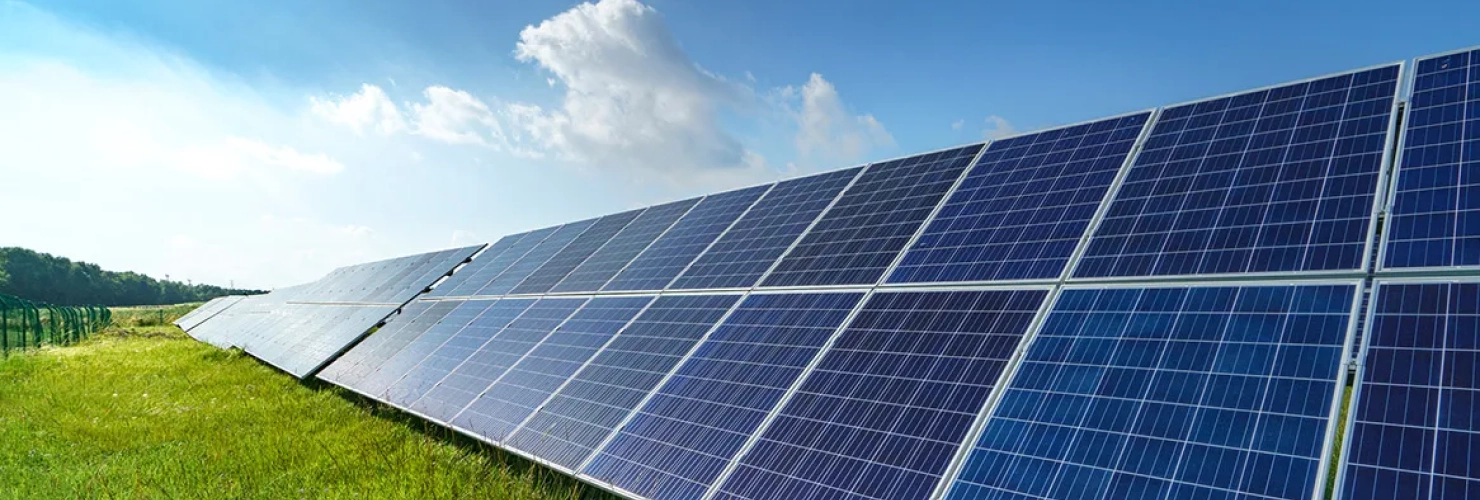
In the photovoltaic industry, backsheets, encapsulation materials, and related functional films endure years of outdoor exposure. The combined effects of UV radiation, heat, and moisture accelerate material degradation, compromising bond interfaces and electrical stability. Selecting high-temperature resistant, migration-resistant compound light stabilizers delays yellowing and embrittlement, reduces microcrack formation and failure risks, and extends module operational lifespan. Packaging materials also need to maintain appearance and strength during storage and transportation. This is particularly critical for transparent packaging, where clarity and print colorfastness are paramount. Light stabilizers significantly enhance shelf-life performance, ensuring packaging remains both visually appealing and durable.