
Coating aging typically begins with loss of gloss, followed by discoloration, chalking, cracking, and reduced adhesion. Ultraviolet radiation directly damages resin molecular structures, causing the coating film to become brittle and develop microcracks. This further accelerates moisture and oxygen penetration, triggering a chain reaction of degradation within the system. The necessity of light stabilizers in coatings lies in their role as the first line of defense against sunlight, the primary external factor. They simultaneously preserve the coating's decorative and protective properties, extending its full lifecycle value.
In industrial coatings, equipment, steel structures, construction machinery, and pipelines frequently endure combined environments of high temperatures, oil contamination, chemical exposure, and intense light. High-efficiency UV absorbers mitigate ultraviolet energy attacks on resin-pigment interfaces, while hindered amine light stabilizers continuously suppress free radical chain reactions triggered by photooxidation. Their synergistic action significantly reduces chalking and cracking risks, maintains coating thickness and shielding performance, ensuring sustained appearance retention and protective strength during prolonged exposure.
Construction coatings and exterior wall systems prioritize long-term appearance retention and weathering stability. When confronting sun exposure, rain, freeze-thaw cycles, and pollutant deposition, blended light stabilizers help maintain color saturation and gloss while reducing whitening, peeling, and cracking, thereby lowering maintenance frequency. For water-based coatings, system compatibility and dispersion stability are particularly critical. Selecting compatible light stabilizers can enhance weather resistance and anti-chalking properties without compromising application performance or environmental requirements.
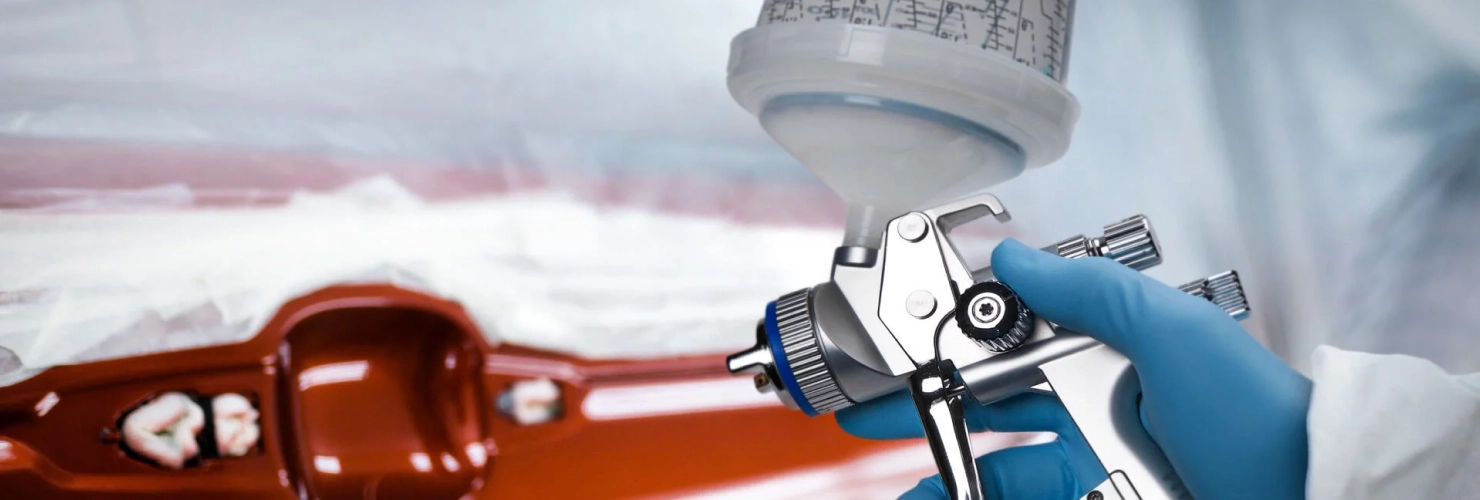
Automotive coatings are highly sensitive to color difference, gloss stability, and scratch resistance, with clear coats particularly prone to gloss loss under intense UV exposure. Combining light stabilizers enhances clear coat durability, helping vehicles retain a new-car appearance over years of use. Wood coatings prioritize yellowing resistance and transparency retention; matched UV absorbers suppress joint discoloration of wood and coating film, enhancing clarity and a warm, lustrous finish. Powder coatings undergo high-temperature baking, where light stabilizers' heat resistance and low volatility determine their efficacy. Through formulation, they balance processing stability and outdoor weather resistance, meeting diverse needs from architectural profiles to outdoor furniture.