
Modified plastics are susceptible to photo-oxidation induced by ultraviolet radiation during long-term service, leading to molecular chain scission and free radical reactions. Under the combined effects of thermal oxidation, humid heat, and stress, they progressively exhibit issues such as yellowing, loss of gloss, chalking, cracking, and reduced impact strength. The photostabilizer system—comprising UV absorbers, hindered amine light stabilizers (HALS), and blended photostabilizers—exerts synergistic effects by blocking harmful light energy and inhibiting photo-oxidative chain reactions. This significantly delays material performance and appearance degradation, serving as a critical component for achieving extended longevity and high stability in modified plastics.
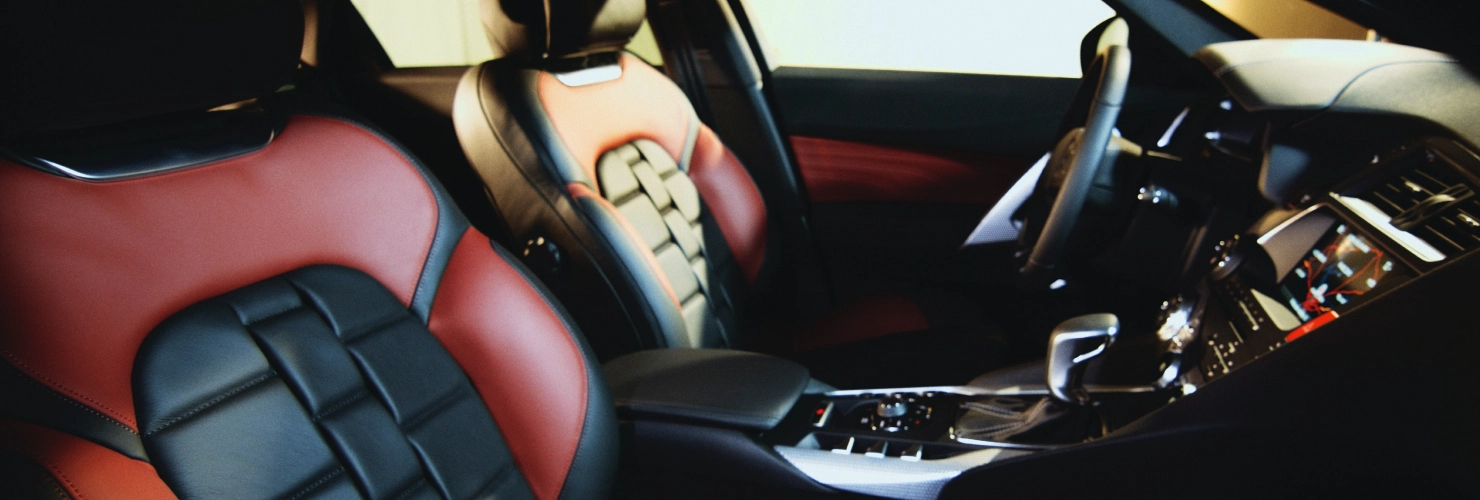
In the automotive industry, components like bumpers, grilles, exterior trim, lighting peripherals, interior parts, and engine compartment components must withstand complex conditions including sunlight exposure, thermal cycling, oil contamination, and cleaning agents. UV absorbers effectively reduce photodegradation of the matrix resin and pigment system, while hindered amine light stabilizers continuously trap free radicals and inhibit chain degradation reactions triggered by peroxide decomposition. Compounded light stabilizers help establish more continuous protection across different wavelength bands and service stages. This enables materials to better maintain color stability, surface gloss, and mechanical toughness while reducing risks of stress cracking and surface chalking, ultimately enhancing the durability of the vehicle's appearance and tactile feel.
In the home appliance and electronics sectors, components like housings, panels, transparent parts, connectors, and cable channels must balance aesthetic appeal and color stability while meeting processing window requirements, dimensional stability, and long-term reliability. To address high temperatures and shear forces during injection molding, along with potential factors like catalyst residues or flame retardant effects in certain systems, a combination of matched UV absorbers and hindered amine light stabilizers provides sustained protection during processing and use. This reduces migration and leaching risks, prevents surface stickiness, fogging, or film failure, thereby maintaining excellent visual quality and tactile experience. For transparent or high-transparency materials, formulations balancing absorption properties and dispersion stability can mitigate haze increase and light transmission decay.
In building materials and outdoor applications, profiles, panels, pipes, waterproof membranes, and decorative components often endure prolonged exposure to intense sunlight, humid heat, and pollutant deposition. A well-designed light stabilizer system significantly delays chalking and fading, reduces the probability of microcrack formation and propagation, and helps materials maintain mechanical strength and visual consistency over extended periods, thereby reducing maintenance frequency. For demanding applications like medical devices and aerospace, materials must not only meet stricter durability requirements but also prioritize cleanliness, odor control, and migration management. Selecting light stabilizer solutions with low volatility, minimal odor, and excellent compatibility ensures compliance with application standards while providing a more reliable foundation for long-term safety and consistent performance.